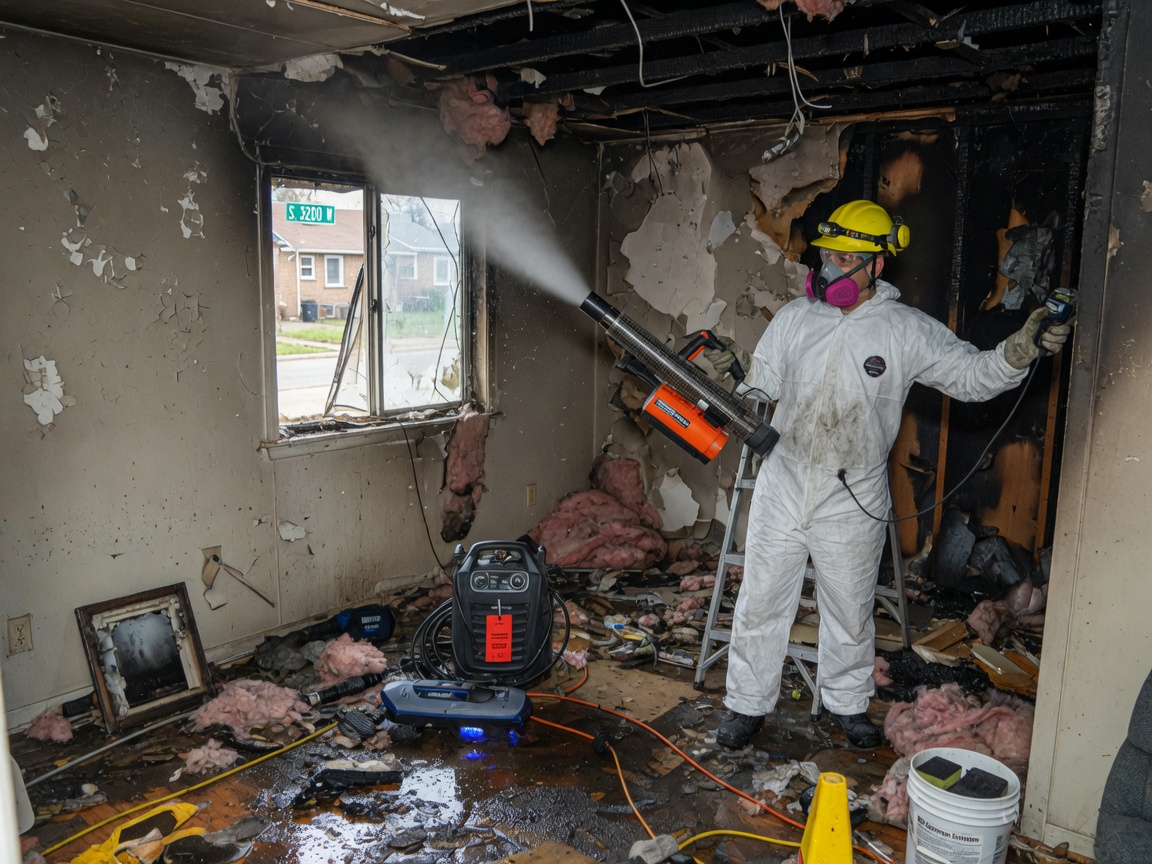
In Taylorsville, fire damage restoration often means tackling smoke and soot that spread fast through ranch homes, split-levels, and newer subdivisions across this Salt Lake Valley suburb, where attached garages and open living areas can carry residue far beyond the room where a fire started. Cold, snowy winters in Salt Lake County can add a second layer of damage when firefighting water meets freezing outdoor conditions, while hot, dry summers can leave fine soot settling deep into HVAC runs and porous finishes. Homes near busy corridors like I-215 and UT-68 also tend to collect background dust and traffic grime, which can complicate post-fire cleaning and odor removal. Utah Smoke Damage Restoration serves Taylorsville with daily hours from 5am to 11pm, helping property owners move quickly from emergency cleanup to a home that feels livable again.
Fire Damage Restoration in Taylorsville — What We Handle
- ✓Taylorsville homes often have attached garages and multi-level layouts, so smoke migration and hidden odor pockets are a frequent issue.
- ✓Winter fire losses here can involve both soot cleanup and moisture problems after suppression in below-freezing weather.
- ✓Access around Valley Fair Mall, Taylorsville Park, I-215, and UT-68 means planning restoration work around dense neighborhood traffic and busy commercial corridors.
Fire Damage Restoration Services We Offer in Taylorsville
✓Smoke Damage Cleanup
Removes loose soot, settled residue, and smoke film from affected rooms using cleaning methods matched to the material. The goal is to stop further spread and make surfaces ready for repair instead of smearing contamination deeper.
✓Fire Debris Removal
Clears burned materials, unsalvageable contents, and loose hazards so the property can be inspected safely. Controlled removal also helps expose hidden smoke paths, moisture pockets, and structural damage.
✓Soot Removal From Walls and Ceilings
Targets the residue that often remains after even a small fire, especially around kitchens, garages, and hallways. Different soot types require different techniques to avoid staining or damaging paint, texture, or trim.
✓Odor Removal and Deodorization
Addresses the smoke smell at its source in porous materials, cavities, and HVAC-affected spaces. This goes beyond masking and focuses on reducing the compounds that keep releasing odor over time.
✓Structural Drying After Firefighting Water
Handles the water left behind by suppression efforts, including wet framing, drywall, insulation, and flooring layers. Drying is critical before repairs so odor and moisture are not sealed into the building.
✓HVAC Smoke Contamination Cleaning
Reduces the risk of soot and odor being pushed back into cleaned rooms through the duct system. This is especially important when the system ran during or after the fire event.
Fire damage restoration is not just about removing charred debris. In many Riverton homes, the bigger problem is how smoke behaves after the flames are out. Fine soot can migrate through return air ducts, settle inside cabinets, and cling to textured ceilings, painted drywall, window tracks, and attic framing. What works on one surface can permanently damage another. Dry soot from a fast, hot fire usually needs a different cleaning approach than greasy residue left by a slow, smoldering fire. In neighborhoods like Riverton Meadows and Western Springs, we often see smoke spread well beyond the room of origin, especially in open floor plans where odor and residue move quickly through connected living spaces.
Riverton’s semi-arid climate creates a restoration challenge people do not always expect. Dry air can help some materials release moisture faster after suppression efforts, but once winter temperatures drop in Salt Lake County, wet framing, insulation, and subfloors can stay cold and hold moisture longer than they look. That matters because fire damage restoration often includes water extraction, structural drying, and moisture verification before repairs begin. If damaged materials are sealed or rebuilt too early, smoke odor can resurface and hidden moisture can affect flooring, trim, or wall cavities later. Homes near Harvest Park, Riverton City Park, and older properties closer to landmarks like the Old Dome Meeting Hall can also have mixed materials and additions that require careful room-by-room planning.
How It Works in Taylorsville
- 1
Assess The Fire, Smoke, And Water Damage
We inspect the source area, track how smoke traveled, identify soot type where possible, and check for water intrusion from suppression. That first walkthrough helps separate salvageable materials from items that need removal.
- 2
Stabilize And Remove Unsafe Materials
We secure affected areas, remove loose debris, and take out materials that are burned through, heavily contaminated, or likely to keep releasing odor. Controlled demolition keeps the project moving without opening more of the house than necessary.
- 3
Clean Residue And Dry The Structure
We perform smoke damage cleanup on salvageable surfaces and dry out wet building materials before repairs begin. Cleaning and drying have to work together, especially when smoke and water damage overlap in the same rooms.
- 4
Treat Odor Sources And Verify The Scope
We address persistent smoke odor in rooms, cavities, and system-affected areas, then review what remains for repair or replacement. This step helps prevent surprise odor return after paint, flooring, or trim work starts.
- 5
Prepare For Restoration Repairs
Once the property is clean, dry, and odor-treated, we outline the next repair phase clearly. Owners can then move forward knowing the hidden contamination has been addressed, not just covered up.
Serving All of Taylorsville
We regularly handle fire damage restoration jobs near:
- 📍Taylorsville Park
- 📍Valley Fair Mall
- 📍Salt Lake Community College Taylorsville Redwood Campus
- 📍Taylorsville-Bennion Heritage Center
Fire Damage Restoration Pricing in Taylorsville
Pricing depends on how far smoke traveled, the type of soot, how much demolition is needed, and whether firefighting water affected floors, walls, or insulation. Small contained losses can be relatively limited, while whole-home smoke damage cleanup and tear-out can become a major restoration project.
Want the full picture of this service? See our Fire Damage Restoration page, or everything we do in Taylorsville, UT.